
Many fabrics and plastics-microfiber, wool, and certain synthetics-attract dust due to static and texture; you can reduce buildup by choosing smoother finishes, using anti-static treatments, and cleaning frequently.
Key Takeaways:
- Synthetic fabrics (polyester, nylon, acrylic) build static charge and attract airborne dust.
- Carpets, rugs, and upholstered furniture trap large amounts of dust in their fibers, especially deep-pile styles.
- Microfiber and plush textiles attract dust electrostatically and hold particles tightly once captured.
- Unsealed wood, porous stone, and drywall collect fine dust in pores and on rough surfaces.
- Plastic and electronic surfaces develop static charge and show dust readily on glossy finishes; low humidity increases electrostatic attraction.
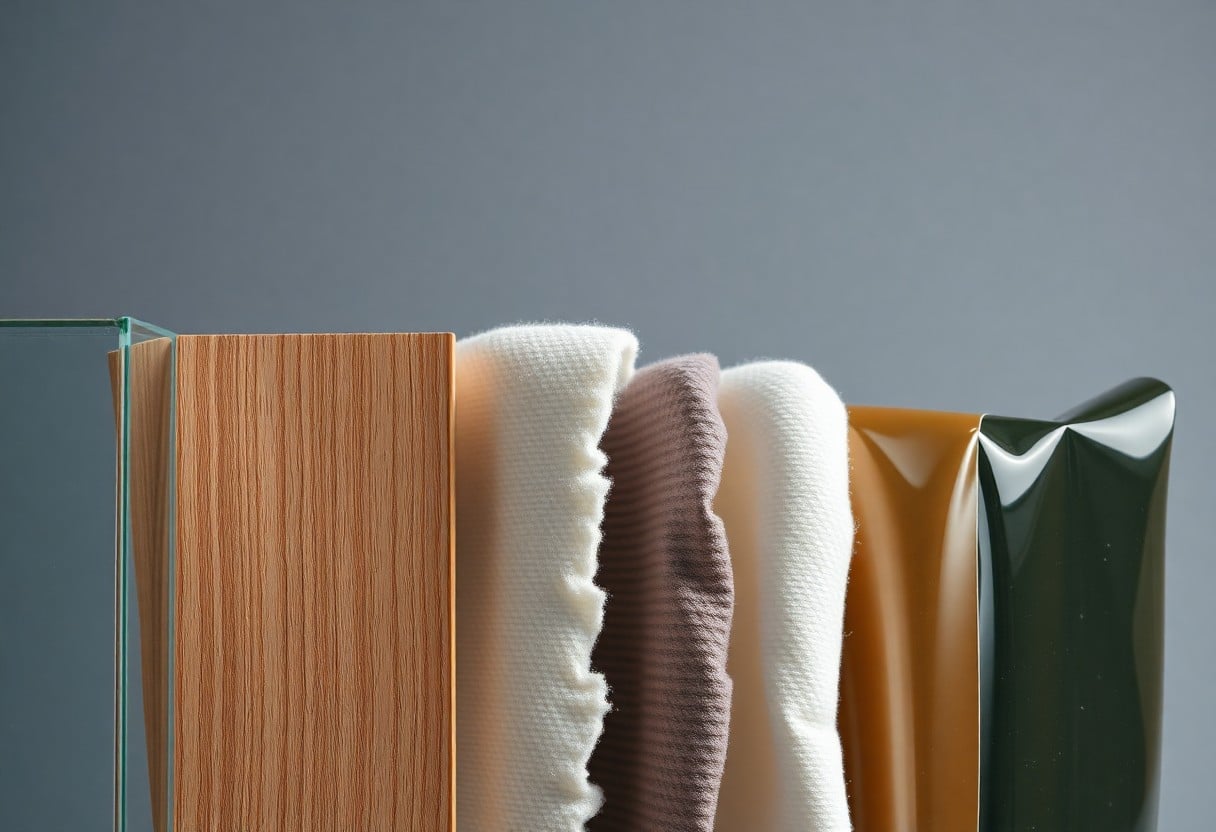
The Physics of Particle Adhesion
Particles adhere via van der Waals, electrostatic, and mechanical forces, so you observe varying dust attraction depending on material properties and surface condition.
Electrostatic Charge and the Triboelectric Effect
Charge imbalances created by friction or airflow make particles cling to surfaces, so you notice plastics and synthetic fabrics attract dust more after handling or rubbing.
Surface Topography and Mechanical Trapping
Microscopic pits, fibers, and roughness physically trap particles, which means you find textured fabrics and unfinished wood hold dust longer than smooth, sealed finishes.
Textured materials with pores, fibers, and edges intercept particles as air moves; you’ll find micron-sized dust nests in crevices and between fibers, resisting simple wiping, so you should use vacuuming with agitation or surface sealing to dislodge and prevent re-entrainment.
Synthetic Polymers and Plastics
Plastics and other synthetic polymers generate static charges that draw airborne dust, so you’ll find more buildup on smooth, nonporous surfaces like PVC, acrylic, and ABS-especially in dry environments where static accumulates quickly.
High-Insulation Materials and Static Buildup
Insulating foams and rigid plastics hold charge so you’ll notice dust clinging more on seat backs, insulation panels, and hobby foam where you handle items frequently and can’t easily wipe static away.
Polyester and Nylon Textile Dynamics
Synthetics like polyester and nylon pick up static and attract lint and fine dust, so you should expect more visible particles on clothing, upholstery, and curtains after dry heating or frequent friction.
When you rub or wear polyester and nylon, smooth synthetic fibers transfer electrons easily, increasing electrostatic attraction for skin flakes and household dust. You can reduce accumulation by keeping indoor humidity around 40-50%, applying antistatic sprays or dryer sheets, brushing fabrics with a soft brush, and using lint rollers, microfiber cloths, or frequent washing to release trapped particles.
Natural Fibers and Porous Surfaces
Porous natural fibers and surfaces trap dust more than smooth synthetics, so you should expect higher accumulation on rugs, upholstery, and untreated textiles that absorb and bind fine particles.
Wool and Cotton Fiber Fragmentation
Wool fibers shed microscopic fragments that cling to other surfaces; you will notice dusty buildup around wool rugs and cotton clothing where loose fibers increase surface area for particles to stick.
Unfinished Wood and Organic Texture Retention
Unfinished wood holds dust in its open pores and rough grain, so you should clean more often and expect deeper settling on shelves, trim, and handcrafted pieces.
Open grain woods like oak and pine trap particulates within canals and fissures; you can reduce buildup by sealing, oiling, or lacquering surfaces, sanding to close fibers, and using vacuums or microfiber tools that reach crevices. Over time untreated wood darkens and retains allergens, so regular maintenance lowers dust load and preserves appearance.

Electronic Devices and Electromagnetic Fields
Devices emit static and electromagnetic fields that attract charged dust toward screens, connectors, and ventilation openings; you’ll find finer particles cling to glossy surfaces and circuitry more than to fabric.
Active Charge in Screens and Circuitry
Screens accumulate static charge from touch and display electronics, so you’ll see dust drawn to pixels, bezels, and nearby circuit boards; the attraction increases in dry conditions and with frequent handling.
Cooling Systems and Forced Air Deposition
Fans push and pull air, depositing dust inside devices and on surrounding surfaces; you’ll notice concentrated layers near intake grills and exhausts where airflow drops velocity and particles settle.
Airflow created by fans and vents concentrates particles by size: larger fibers settle quickly near intakes, while submicron dust follows streamlines into heatsinks and onto circuit boards; you’ll see sticky accumulations on fan blades and heat fins that reduce cooling efficiency. Regular cleaning and using intake filters or positive-pressure enclosures helps you limit deposition and prolong component life.
Environmental Factors in Dust Accumulation
Factors around you-ventilation, surface texture, and humidity-drive where dust collects. Knowing how airflow, material roughness, and moisture interact lets you target cleaning and reduce buildup.
- Ventilation patterns
- Surface roughness and conductivity
- Relative humidity
- Human activity and resuspension
Relative Humidity and Surface Conductivity
Humidity changes surface conductivity, so you will see more electrostatic attraction in dry air that increases dust on plastics and electronics, while higher humidity encourages particle clumping and faster settling.
Aerodynamic Settlement in Indoor Environments
Airflow shapes where particles deposit, so you will notice corners and low-velocity zones collecting more dust while vents and turbulent streams spread fine particles widely.
Settling reflects particle size, airflow speed, and room geometry you control: larger grains fall near sources, submicron dust follows eddies and HVAC currents, and activities like walking or opening doors resuspend settled particles, so modifying airflow paths and minimizing turbulence reduces uneven accumulation and resuspension.
Mitigation and Preventative Material Science
Materials with low surface energy and conductive backing reduce dust adhesion; you should choose finishes that limit electrostatic charge, resist particle embedding, and allow easier cleaning while balancing durability and cost.
Anti-Static Treatments and Conductive Coatings
Coatings that dissipate static prevent dust clinging; you can apply anti-static sprays, conductive polymers, or thin metallic layers to reduce attraction and simplify routine maintenance.
Benefits of Low-Surface-Energy Finishes
Low-surface-energy finishes make particles roll off rather than stick, so you will need gentler cleaning and see fewer abrasive scratches over time.
Testing different low-surface-energy chemistries on sample panels helps you quantify dust shedding, wear resistance, and cleaning cycles; pair these finishes with UV-stable binders for outdoor use, plan periodic reapplications for high-traffic areas, and weigh visual appearance against maintenance savings to pick the best treatment for each surface.
Summing up
You should focus on soft, fibrous surfaces-carpets, upholstery, curtains, and dusty paper-plus textured and synthetic materials that hold static and electronics with vents, since these attract the most dust, so establish regular cleaning to reduce buildup.
FAQ
Q: What materials attract the most dust?
A: Materials that hold static charge or have rough, porous surfaces attract the most dust. Synthetic fabrics such as polyester and nylon, plastic and vinyl surfaces, unsealed wood, and textured upholstery trap particles because static pulls in fine dust and irregular textures provide more snag points. Oils and sticky residues on surfaces also catch airborne particles and make dust buildup faster.
Q: Do synthetic fabrics collect more dust than natural fibers?
A: Yes, synthetic fabrics generally collect more dust than natural fibers because they develop stronger electrostatic charge. Polyester blends, microfiber furniture, and nylon carpets attract airborne particles, while cotton and linen build up dust more slowly because their fibers generate less static. Wool can trap dust within its fiber structure but often hides it rather than letting it float free.
Q: Do electronics and plastic surfaces attract extra dust?
A: Electronics and plastic surfaces attract extra dust due to static electricity created by moving air and device operation. TV and monitor screens, plastic housings, and keyboard keys gather fine particles quickly, especially in dry indoor air. Increasing humidity slightly, using antistatic sprays or wipes, and regular gentle cleaning reduce accumulation.
Q: How does surface texture and porosity affect dust buildup?
A: Rough, porous, or fibrous surfaces trap dust more effectively than smooth, nonporous ones. Open-weave fabrics, textured paint, unfinished wood grain, and carpets provide many crevices where particles settle and cling. Smooth glass, metal, and sealed lacquered or gloss-painted surfaces give fewer anchor points for dust and are easier to wipe clean.
Q: Which household materials are easiest to keep dust-free and which are worst?
A: Easiest to keep dust-free: glass, stainless steel, sealed hardwood, leather, and high-gloss painted surfaces because they are smooth and nonporous. Worst for dust: shag carpets, open-weave upholstery, heavy curtains, unsealed wood, and matte or textured finishes because they trap particles. Regular vacuuming with a HEPA filter, using microfiber cloths for dusting, and reducing clutter cut maintenance time regardless of material.